Story Is the Moat
· 5 min read · By Christopher Scott Stevenson
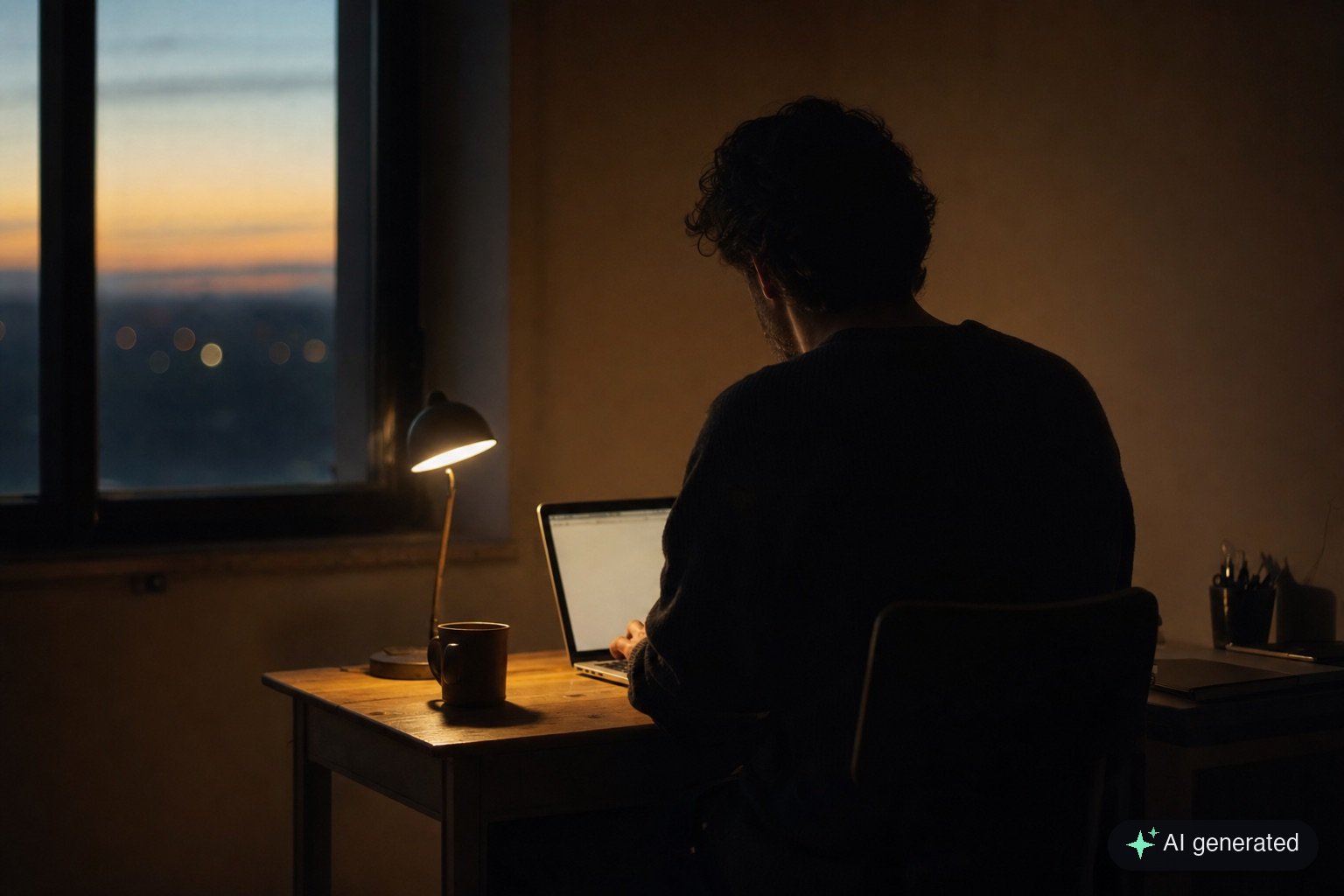
I built my app for myself first.
I have stories in my head. Some of them are fully formed, scene by scene, just waiting to get out. So I did what every writer does. I read the book Story by Robert McKee. Then I bought Final Draft. I got excited. That tab-and-enter rhythm pulled me right in, and for a little while I was flying.
Then I stopped. And when I came back, it was hard to start again. The tool was too mechanical for me. It kept breaking my flow, and honestly, it just did not move me. I would sit down to pour out a scene and end up fighting the formatting instead.
Around that time I started seeing storyboards online, the kind that match a finished movie almost frame for frame, and something clicked. I did not want to hand-type a screenplay just to get there. I thought, what if AI could take the scene straight out of my head? What if I could dictate it, hit one button, and get a fully formatted screenplay back? From there I could build real, detailed storyboards, turn them into video, and let the AI read my characters and branch them out into a whole cast.
That was the dream that became my app. And here is what I learned building it: all of that is the easy part now. The formatting, the boards, the shots, the visuals, the eye candy. The tools handle it. I even got distracted by how good it all looked. But the story? The characters? I still had to write those. The writing was still hard. The tools gave me a thousand ways to present my story, and not one shortcut around actually having one.
Robert Moog, the man who built the synthesizer that musicians once tried to ban, said it best back in the 1970s.
"It is so easy to make sounds and to put sounds together into something that appears to be music. But it is just as hard as it always was to make good music."
Swap sounds for images and music for art, and you have the whole truth about AI. It makes creation easy. It does not make good creation easy. The tools changed. The difficulty of making something that actually moves a human being did not.
Why easy will demand better, not worse
Here is what most people get backwards. They look at these tools and think, it is so easy now, everyone can do it, so everyone will make something great. That is not how people work. People are lazy by nature. Most will bang out a flat story, wrap it in nice visuals, chase the quick dopamine hit, and call it done. We are already watching it happen. The slop is everywhere. The lazy little storybooks people actually buy. Content that is just good enough to stimulate you for a minute before you get bored.
And that is exactly why the bar is going to rise. The flatter everything gets, the hungrier people become for something real. They will start to demand better. When everyone has eye candy, eye candy stops being the prize. The story becomes the prize. Too easy can even make you lazy and keep you from becoming as great as you could have been. But for the writer who is willing to do the hard part, to take the time and tell it well with these same great tools, that is a powerful place to stand.
Who is going to shine
The ones who shine will do something different. A new camera angle. A fresh concept. A way of pacing a story that you feel in your chest. And they will take the fundamentals that have held true for decades, real foreshadowing, real character backstory, real structure, and use them better than everyone else.
Then there is the opportunity, and this is the part that gets me. So many people die with their stories still locked in their minds. Now, young or old, anyone can say, I am going to get my story out. It does not have to be a blockbuster. Get it out, share it with a few people, and let them feel something. There are millions of books in the world. There can be millions more stories, and plenty of them will be great. They can be niche and still do beautifully.
The wild horse
I do not believe AI will ever be fully, truly creative. It is brilliant at the parts that have already been figured out in film. It knows when to cut. It knows what to pan to. It hands you fantastic default shots and visuals. But the rider still has to ride. The AI is a wild horse, and learning to tame that horse is its own hard work. You still have to know story structure. Some people are simply gifted and never had to learn it. For everyone else, one good book on storytelling and you are on your way. That challenge never disappears.
That is the whole heart of what I built. My app is for the person who has a spark, who wants to tell a story but has no idea how, and gives them the tried and true formats, the plots, the beats, the bones of storytelling, right where they need them.
On actors, and on studios
I will make one argument that not everyone will agree with. I do not think actors get fully replaced in live action. AI can generate a character on screen, but there are subtle things a real human actor does that I do not think get copied. For cinematic realism, with real faces and real performance, I believe we still need actors. Animation is a different story. The dialogue, the pacing, the pauses, the voice acting, you can absolutely get there with these tools.
The big studios are not going anywhere either. They will just keep doing what they have always done, which is pick up the better tools first. What changes is that they will not be the only game in town. I see a handful of people building a small studio in a small place, telling stories that do not need a giant set, and still catching that one real, gorgeous sunset when the scene calls for it. I just think there is going to be more. Anyone who gives their heart, their time, their patience, and their hard work to cinema and to TV can do it now.
Bring something to life
That is who my app is for. Anybody who wants to bring a world to life. An emotion to life. A short story or an epic arc. A quiet emotional drama or a whole science fiction world. Bring something to life.
Storytelling is critical to the human experience. It is one of the most powerful tools we have, even for teaching each other what it means to be human and to feel the things humans feel. I am not afraid of AI. It is a tool, like every tool before it. It can be used for good and it can be used for bad. But when it comes to art, I think it is going to be an incredible way to bring new stories, new ideas, and new worlds to people who never would have gotten the chance otherwise.
The tools will keep getting easier. The gap between generating something and making something that matters will never close. That gap is where the real work lives. It is also where you will shine.